

In 2018, an ex-colleague asked me out to lunch, out of nowhere. We were never close. But he said he’d uncovered an exciting opportunity in China and thought of me. No harm learning more. So we met for duck rice at PLQ.
Over lunch, he laid it out. He had just come back from Nanning. There is, he said, a concerted but unofficial plan by the Chinese central government to bring overseas Chinese back to China. Since you cannot apply to be a Chinese citizen, it takes the form of an economic opportunity instead. Singaporean Chinese banding together, going after things you can never achieve in tiny Singapore.
Okay. Checks out so far.
Then the sweetener: I just needed to buy my own air ticket. Food and drinks fully covered once I’m there.
A mostly free trip to Nanning. I took it.
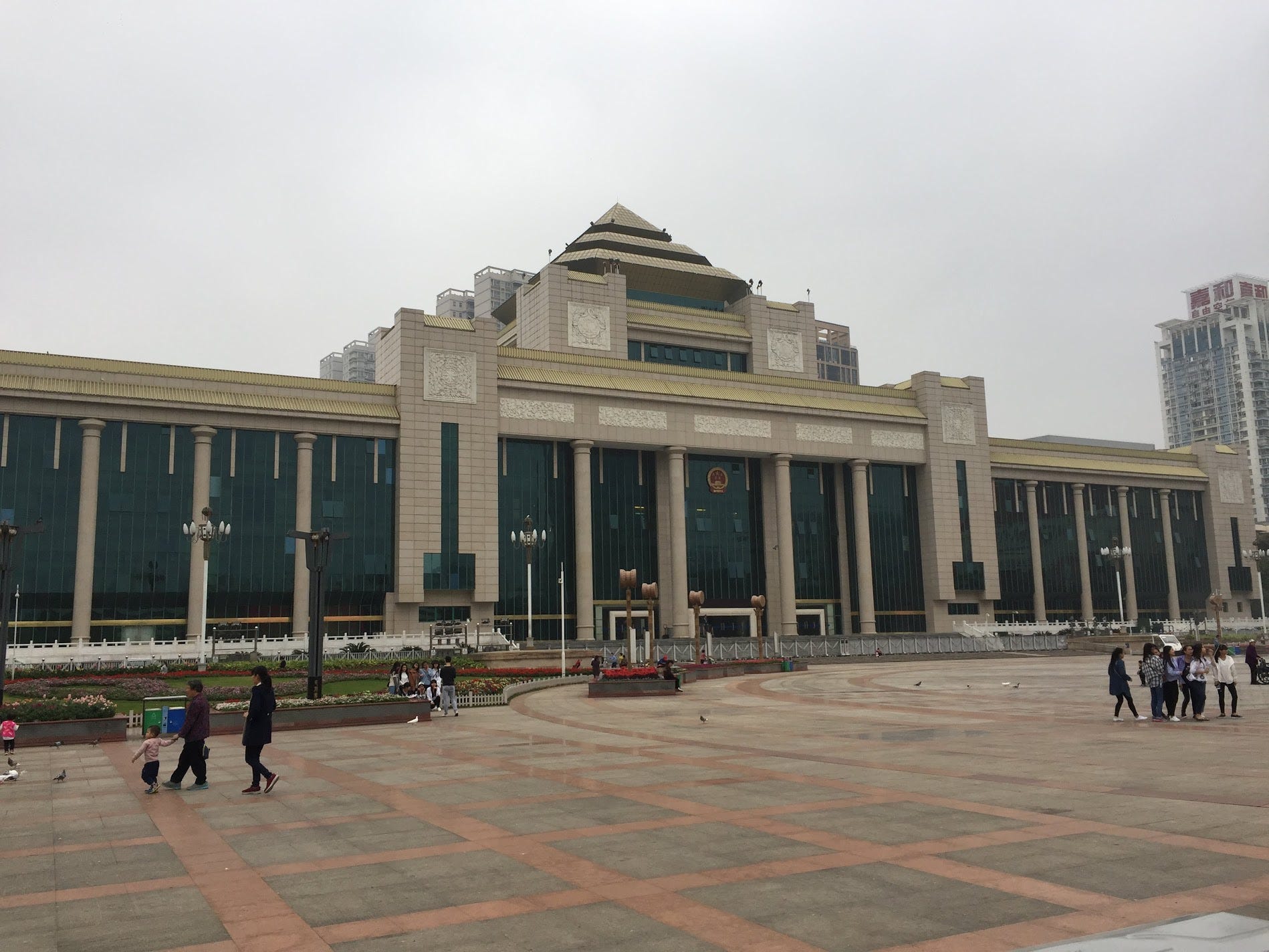
The trip itself was strange in a way I only understood later. There was a token park visit and a token mall visit. Everything else on the schedule was meeting other Singaporeans already in the program.
I do marketing for a living. I know this move. Get your existing customers to sell to your prospects, because a peer is more convincing than any salesman. I have advised paying clients to do exactly this.
Knowing the move did not protect me from it.
Because the “existing customers” kept escalating. First a few regular uncles. Then a Singaporean of the Year. Then an OG PAP MP. All in the program. All telling me about it over meals I didn’t pay for.
At this point nobody had explained what the program actually sells. It goes like this. You pay a membership fee to join. Two tiers: one card (SGD28k) or two (SGD47k). Each card lets you bring someone in as your downline, and each downline pays you. Two cards, more downlines. According to sharing sessions I could not verify, some people have made millions.
Notice what’s missing: the product. There isn’t one. You pay to get in, then you earn by getting others to pay to get in. It’s a money game. A ponzi scheme with better catering.
But here is the part I’m not proud of. One night in Nanning, lying in bed, I remember thinking: if a Singaporean of the Year and a former PAP MP are in this, it can’t be a scam, right?
I did what any self-respecting sceptic does. I googled it. In English. Nothing incriminating came up.
Then, for a reason I still can’t explain, I switched my keyboard to Chinese and searched again.
The results flooded in. Video after video. Malaysians running the same scheme. Taiwanese running the same scheme. A Taiwanese reporter who went undercover in Nanning with a hidden camera, and the footage made their mainstream news. The whole thing had been exposed for years. Just not in the language I was searching in.
The scam lived in a language blind spot. So did my due diligence.
When I came back, I told a journalist. I got brushed off. So the story sat in my drawer for eight years.
I’m digging it out now because a friend who joined the scheme tells me it’s making a comeback after a long Covid hiatus. The timing is perfect for them. Market is down, layoffs everywhere, plenty of people looking for the fastest way to make their money back. If you’re in that group, you are exactly who they are looking for.
To be fair, my friend joined mainly for the network, and he did meet his current business partner there. But I’m sure somewhere out there is a man who met his wife in a brothel. You wouldn’t call it a dating app. If it’s network you’re after, SID, EO or YPO will give you a far better hit rate, minus the fee that goes to funding somebody’s upline.
There was a point during the trip when I thought, so what if it’s a scam? Willing buyer, willing seller.
I recognised that voice. I first heard it at 17, working a fragrance counter as a retail assistant.
There was a gangster who hung around the place. A regular. Small talk, never bought anything. One day he let me know he wanted a bottle of perfume, that he knew there was no camera near my counter, and that I was going to help him. He made it sound like I had already agreed.
I was 17. I was more afraid of him than of what I was agreeing to. So I helped.
Then it happened again. And again. Somewhere along the way I stopped checking whether I was still afraid. By the later rounds, some of it was for my own pocket. Our last haul retailed at about $3,000. It left our hands for $1,000.
Nobody wakes up planning to fence perfume. The first time, you have a reason that sounds like survival. By the fifth time, the reason has changed and you never noticed the handover. Once you touch the moral line, it moves. And it keeps moving.
So in Nanning, I knew exactly where willing buyer, willing seller leads. You join as the guy who got talked into it over duck rice. The day you recruit your first downline, you are the gangster pointing out where the cameras aren’t.
And at that price point, some people will be joining with borrowed money. The kind that makes a person jump if it doesn’t come back. I can still quote the retail value of perfume I helped steal as a teenager, so I know how long these things stay. I didn’t need another one.
And if you’re thinking you can always exit later: they will tell you someone will gladly buy over your membership when you want out. Remember what this is. A ponzi scheme does not have a return policy. One friend got conned into it by her stylist, and only got her money back by threatening to blow the whole thing up in the middle of the salon. That is the refund process. Hope your upline has a business she wants to protect.
When I got home in 2018, I told another friend the full story. His response: “So old already still kena scam. Gotta self-reflect.”
I took offense. He is also not wrong.
The duck rice was good, by the way. Looking back, it was the only thing in the entire program that was actually free.
Thanks for sharing. I have been wanting to find out more about this. Not many people talk or write about it - except members.
Thank you for that. I had a former colleague who also invited my wife and me into this scheme; we visited Nanning as well. We went through almost exactly what you described. This former colleague and his wife met with us several times. My wife and I did our homework, and I think the turning point came when we watched Madoff: The Monster of Wall Street. In the documentary, I noticed that even highly intelligent and successful people were scammed, resulting in massive losses affecting the livelihoods of people up and down the social scale. In the end, we told the couple it was a Ponzi scheme and pulled out. I believe they are still in it.
I appreciate your article.